
"Cafe Latte origins"
1000 article(s) found

The origin story of latte-Blue Bottle Cafe turned out to be the ancestor of Caffe' Latte?
Professional coffee knowledge exchange More coffee bean information Please pay attention to coffee workshop (Weixin Official Accounts cafe_style)[Origin of latte] Caffe Latte with milk and coffee Although it is Italian, this drink is not invented by Lao Yi. The origin of latte coffee can be traced back to the war between Turkey's Ottoman Empire and Vienna. Islam of Mohammed IV in 1683

The origin of mocha coffee
Therefore, the editor latte is the transliteration of Italian Latte, latte coffee (5) latte (CoffeeLatte) is a kind of fancy coffee. The ultimate blend of coffee and milk, Italian latte for pure milk and coffee, American latte to replace part of the milk with milk foam, most of the local lattes are like this. The famous saying that I'm not in the cafe, I'm going to coffee.

The origin of latte (CoffeeLatte) latte Italian mix bean concentrate mixed milk
Latte (CoffeeLatte) is a kind of fancy coffee. The ultimate blend of coffee and milk, Italian latte for pure milk and coffee, American latte to replace part of the milk with milk foam, most of the local lattes are like this. The famous saying that I was not in the cafe was said by a musician in Vienna on the way to the cafe. In the air of Vienna, forever

The origin of the latte the cultural history of fancy coffee
Latte is the transliteration of Italian Latte. Latte (CoffeeLatte) is a kind of fancy coffee. The ultimate blend of coffee and milk, Italian latte is pure milk and coffee, American latte will replace milk with milk foam, most of the local lattes are like this. The latte comes from the famous saying that I am not in the cafe. On the way to the cafe, I am a musician in Weiya.
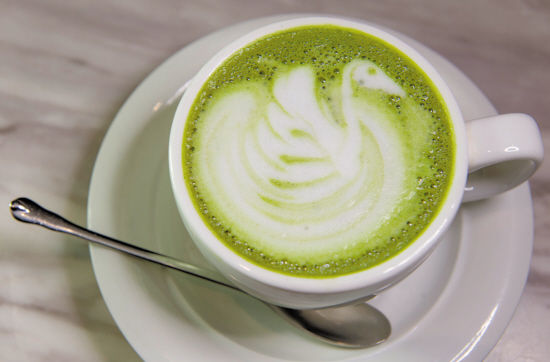
The difference between the origin of latte and matcha latte and cappuccino
Latte, also known as Caff Latte, is one of many Italian lattes, because latte means fresh milk in Italian, so if you are in Italy, remember not to just tell the coffee shop clerk that you want a cup of Latte, or you will get suspicious eyes and a cup of fresh milk. In the English-speaking world, Latte is already a Coffee Lat

The origin of latte basic knowledge of fine coffee
Latte is the transliteration of Italian Latte. Latte (CoffeeLatte) is a kind of fancy coffee. The ultimate blend of coffee and milk, Italian latte is pure milk and coffee, American latte will replace milk with milk foam, most of the local lattes are like this. The latte comes from the famous saying that I am not in the cafe. On the way to the cafe, I am a musician in Weiya.

The basic knowledge of fine coffee the origin of Italian coffee latte
Latte is the transliteration of Italian Latte. Latte (CoffeeLatte) is a kind of fancy coffee. The ultimate blend of coffee and milk, Italian latte is pure milk and coffee, American latte will replace milk with milk foam, most of the local lattes are like this. The latte comes from the famous saying that I am not in the cafe. On the way to the cafe, I am a musician in Weiya.
The History of Italian Coffee the Origin of latte
Latte is the transliteration of Italian Latte. Latte (CoffeeLatte) is a kind of fancy coffee. The ultimate blend of coffee and milk, Italian latte is pure milk and coffee, American latte will replace milk with milk foam, most of the local lattes are like this. The latte comes from the famous saying that I am not in the cafe. On the way to the cafe, I am a musician in Weiya.
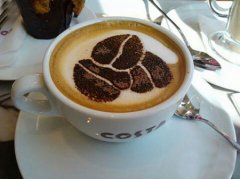
The origin of the history of lattes in coffee? What's a latte? How is the latte made?
The origin of the latte the famous saying that I was not in the cafe was said by a musician in Vienna on the way to the cafe. The air of Vienna is always filled with the smell of music and Latte coffee. The first person to add milk to the coffee was Kochsky of Vienna, who also opened the first coffee shop in Vienna. This is from 1683.
The historical origin of latte coffee where does latte come from?
I believe people will drink a lot of lattes, whether they are cafes, coffee drinks franchises, or coffee drinks on the market, lattes are more mainstream coffee drinks. The editor has failed to post some content about lattes before, but he has never found the real historical origin of lattes. Through unremitting efforts, the editor finally found the most official
Does exquisite latte taste good? the practice of latte coffee pattern coffee making
Latte editor synonym latte coffee generally refers to latte coffee is a classic mixture of Italian espresso and milk, Italians also like lattes as breakfast drinks. In the Italian kitchen in the morning, coffee and milk are usually brewed on the sunlit stove. Italians who drink lattes prefer espresso rather than espresso
The origin of the latte comes from the transliteration of the Italian "Latte"
Latte source is the Italian transliteration of Latte, a kind of fancy coffee, and the perfect combination of coffee and milk, retaining the sweetness of coffee and the smoothness of milk. I'm not at the cafe. I'm on my way to the cafe. A musician once said such a sentence in Vienna. In Vienna, the smell of coffee can be smelled everywhere, with the music hovering in the air

The origin of the name latte the main category of latte is latte in China.
Latte, also known as Caff Latte, is one of many Italian lattes, because latte means fresh milk in Italian, so if you are in Italy, remember not to just tell the coffee shop clerk that you want a cup of Latte, or you will get suspicious eyes and a cup of fresh milk. In the English-speaking world, Latte is already Coffee L.

The origin of Coffee Latte milk and coffee
Fanz George Kolschitsky, a Viennese, is the founder of Cafe Latte with milk and coffee. The famous saying that I was not in the cafe was said by a musician in Vienna on the way to the cafe. The air of Vienna is always filled with the smell of music and Latte coffee. The first person to add milk to the coffee was Vivier.
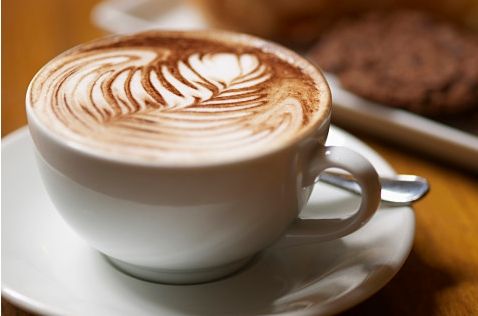
Latte-Milk Coffee A story about the blending of coffee and milk
The perfect blend of latte and milk is pure milk and coffee, while American latte replaces milk with milk foam. The origin of the latte the famous saying that I was not in the cafe was said by a musician in Vienna on the way to the cafe. The air of Vienna is always filled with the smell of music and Latte coffee. The first to add milk to the coffee
The Origin of Coffee Culture latte History
The origin of the latte the famous saying that I was not in the cafe was said by a musician in Vienna on the way to the cafe. The air of Vienna is always filled with the smell of music and Latte coffee. The first person to add milk to the coffee was Kochsky of Vienna, who also opened the first coffee shop in Vienna. This is from 1683.
The origin of latte coffee
Latte is the transliteration of Italian "Latte", and CoffeeLatte is a kind of fancy coffee. The ultimate blend of coffee and milk, Italian latte is pure milk and coffee, American latte will replace milk with milk foam, most of the local lattes are like this.
The origin of the classic latte in coffee
The name latte comes from its English name Latter, also known as Milk Coffee. Because of its light taste and strong milky flavor, it is a kind of coffee preferred by the public. The ultimate blend of coffee and milk, Italian latte is pure milk and coffee, American latte will replace milk with milk foam, most of the local lattes are like this. The origin of latte: that sentence
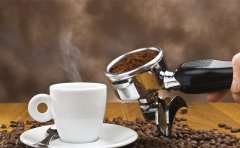
The characteristics and origin of Italian coffee fancy latte coffee
Latte coffee is a classic blend of Italian espresso and milk, and Italians also like latte as a breakfast drink. In Italian kitchens in the morning, coffee and milk are usually brewed on sunlit stoves. Latte drinkers in Italy prefer milk rather than espresso, and only esp.
Latte in Coffee: the Origin of Coffee Culture
The origin of the latte the famous saying that I was not in the cafe was said by a musician in Vienna on the way to the cafe. The air of Vienna is always filled with the smell of music and Latte coffee. The first person to add milk to the coffee was Kochsky of Vienna, who also opened the first coffee shop in Vienna. This is from 1683.